"This trip is well worth the money. Circled the whole island with many awesome stops. Our guide was Jennifer and she was very informative and made the trip great!!"
Hawaiʻi Volcanoes National Park · Kīlauea · The Big Island
Big Island Volcano Tour — Kīlauea & Hawaiʻi Volcanoes National Park
See Kīlauea and Hawaiʻi Volcanoes National Park the easy way. Compare the best-rated Big Island volcano tours — from Hilo, from Kona, by helicopter, or as a fly-in day trip from Oahu — with real prices and honest advice on which suits you.
Top rated
From
$276
per person
Free cancellation
- 4.8 / 5 458+ Reviews
- Kīlauea Active Volcano
- Local Guide Park Entry Handled
- Free Cancellation
The Experience
Why a Big Island Volcano Tour Is the Trip's Highlight
One of the only places on Earth where you can walk a steaming caldera, a lava tube and a black-sand beach in a single day — with an active volcano at the center of it all.
Highlights
- Tour Hawaii’s biggest island highlighting its natural wonders. Experience the diverse range of ecosystems and climate zones of the island
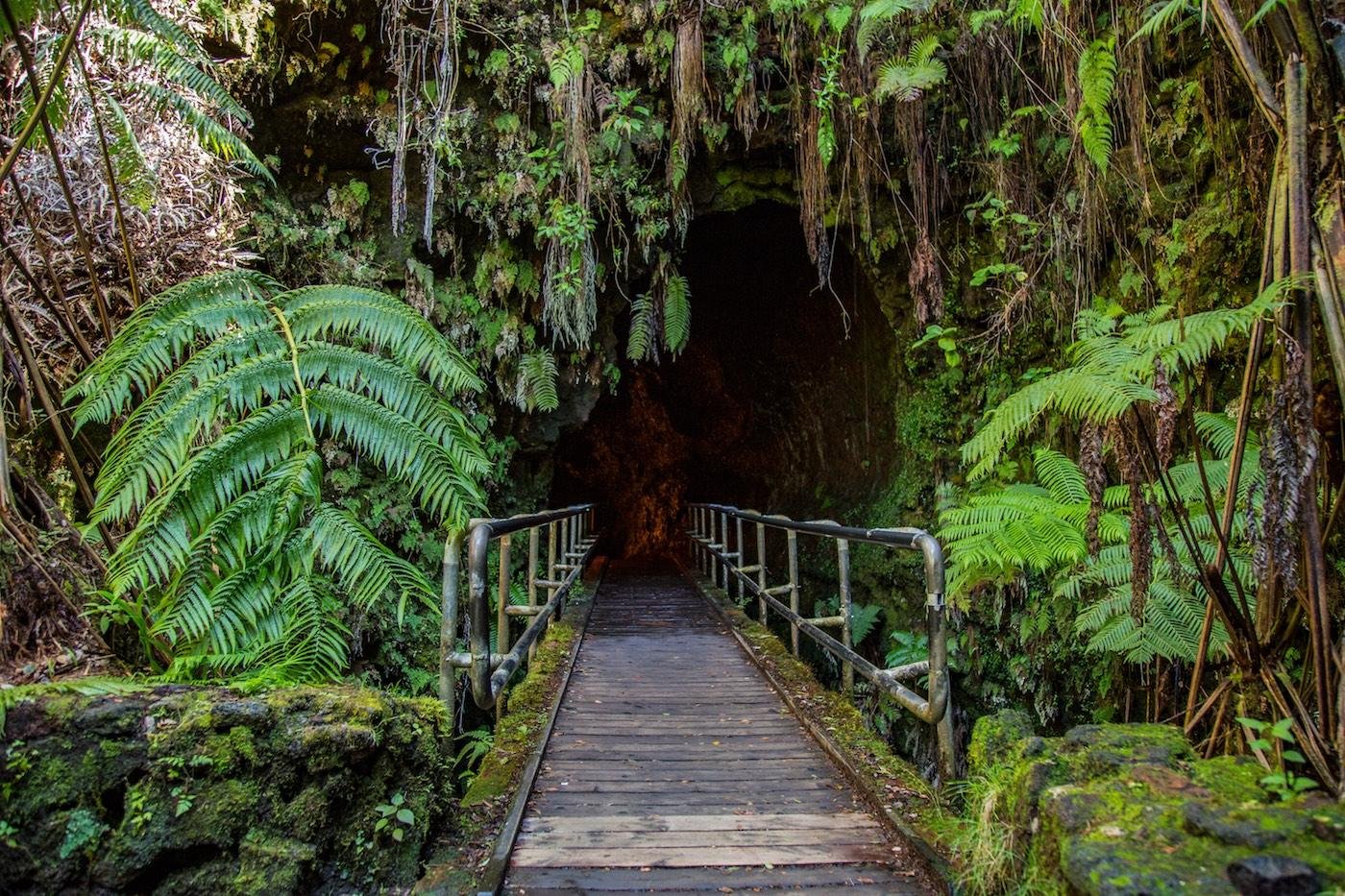
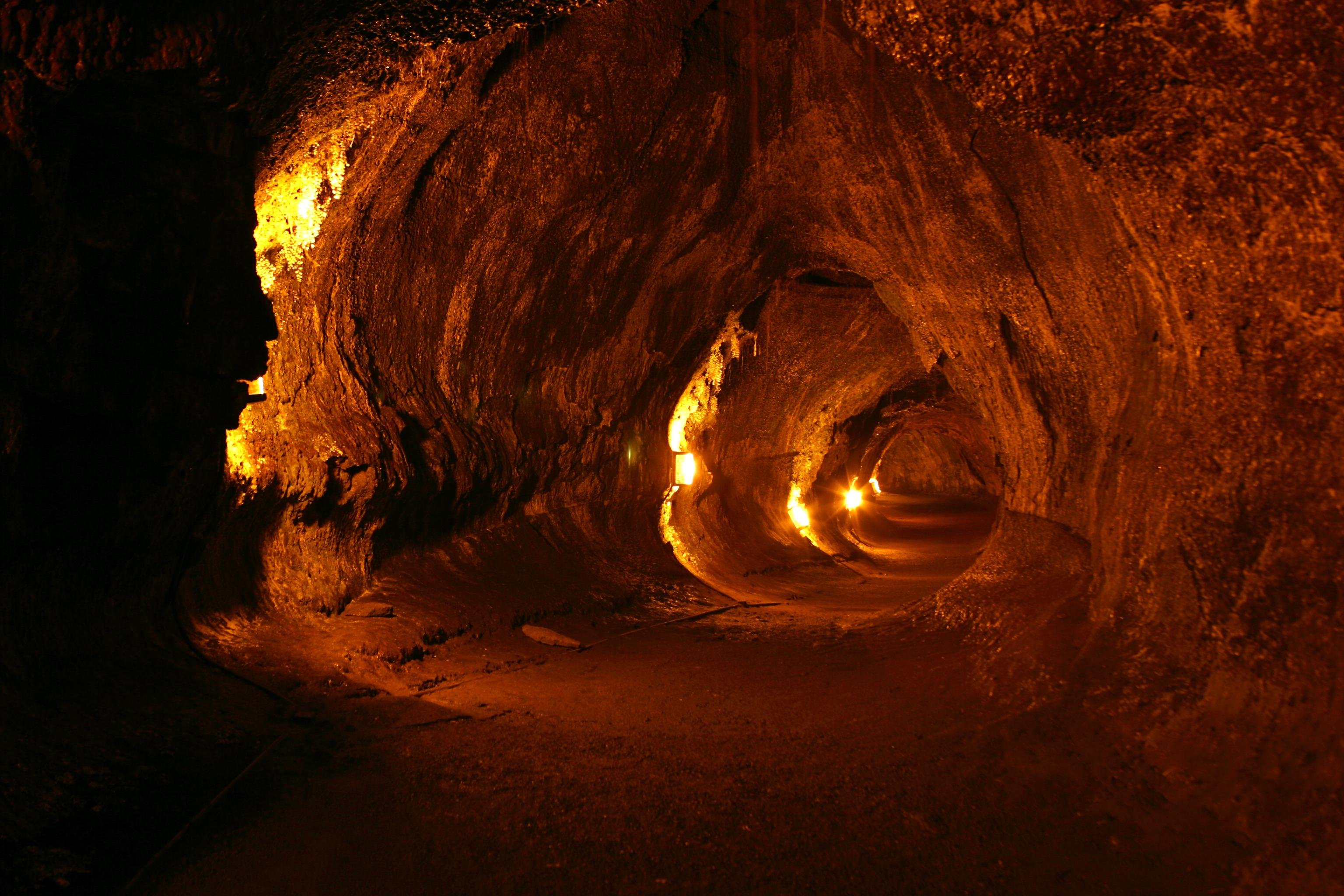
- Walk through an ancient lava tube and take a tour of a historical Kona Coffee Farm
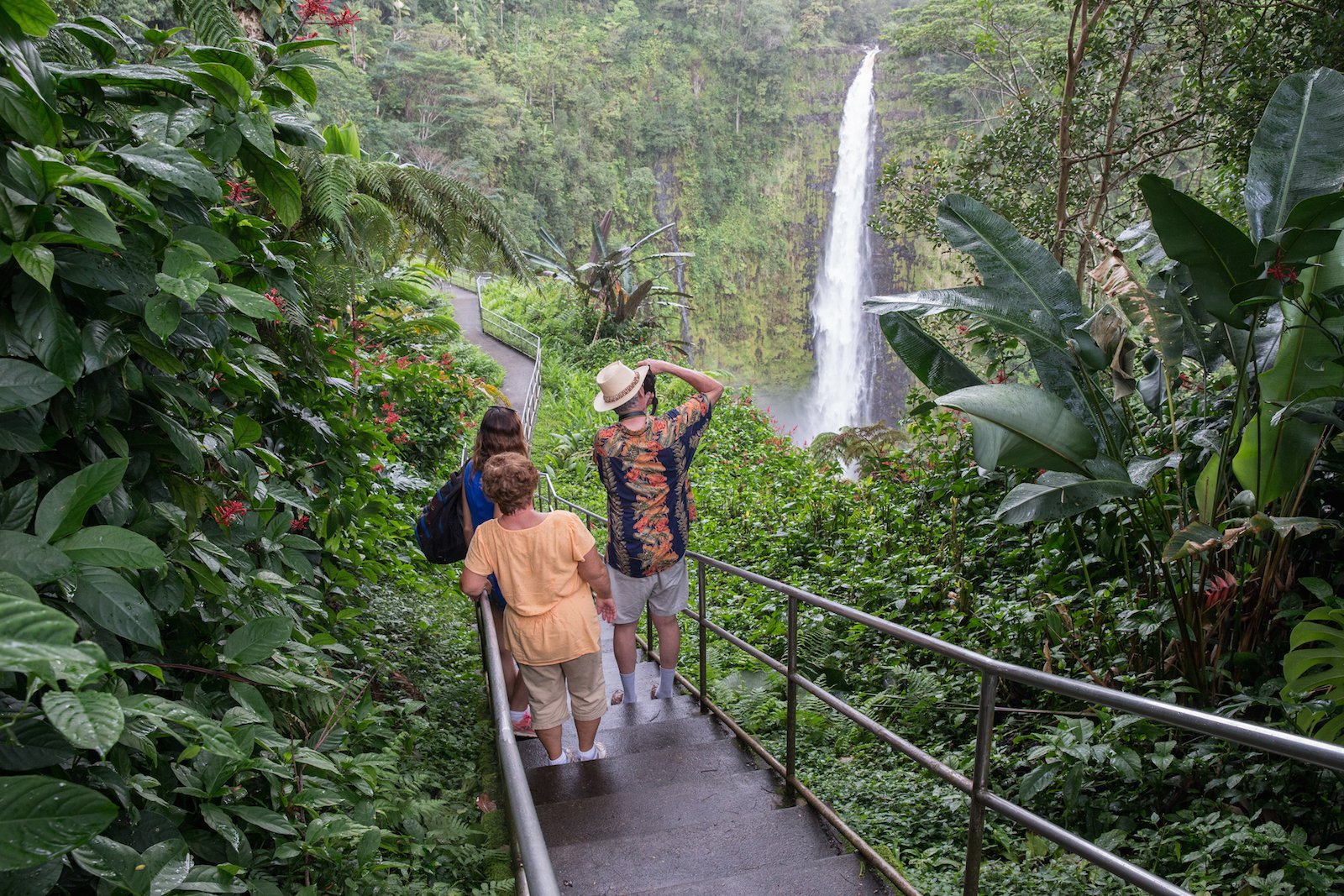
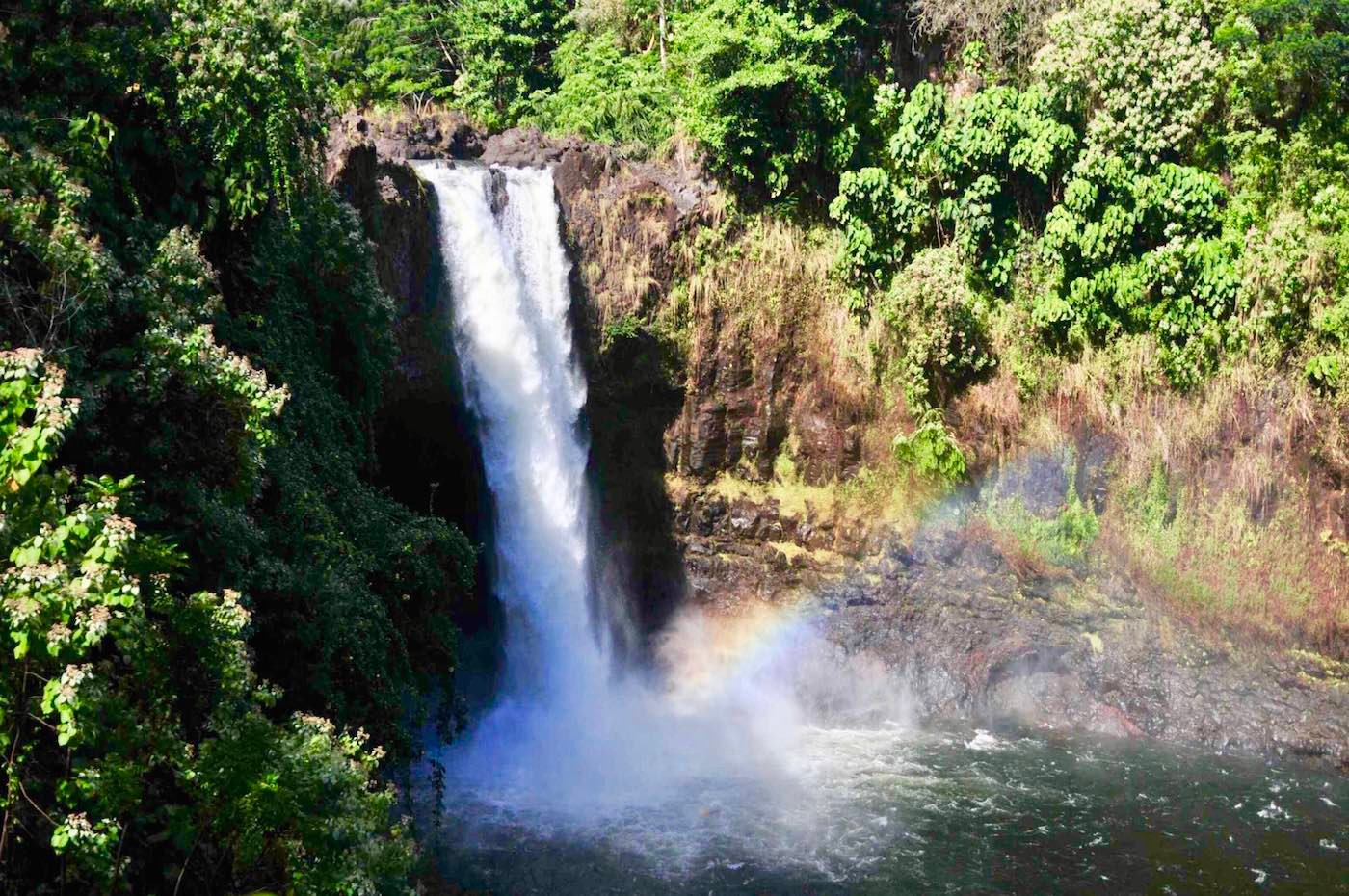
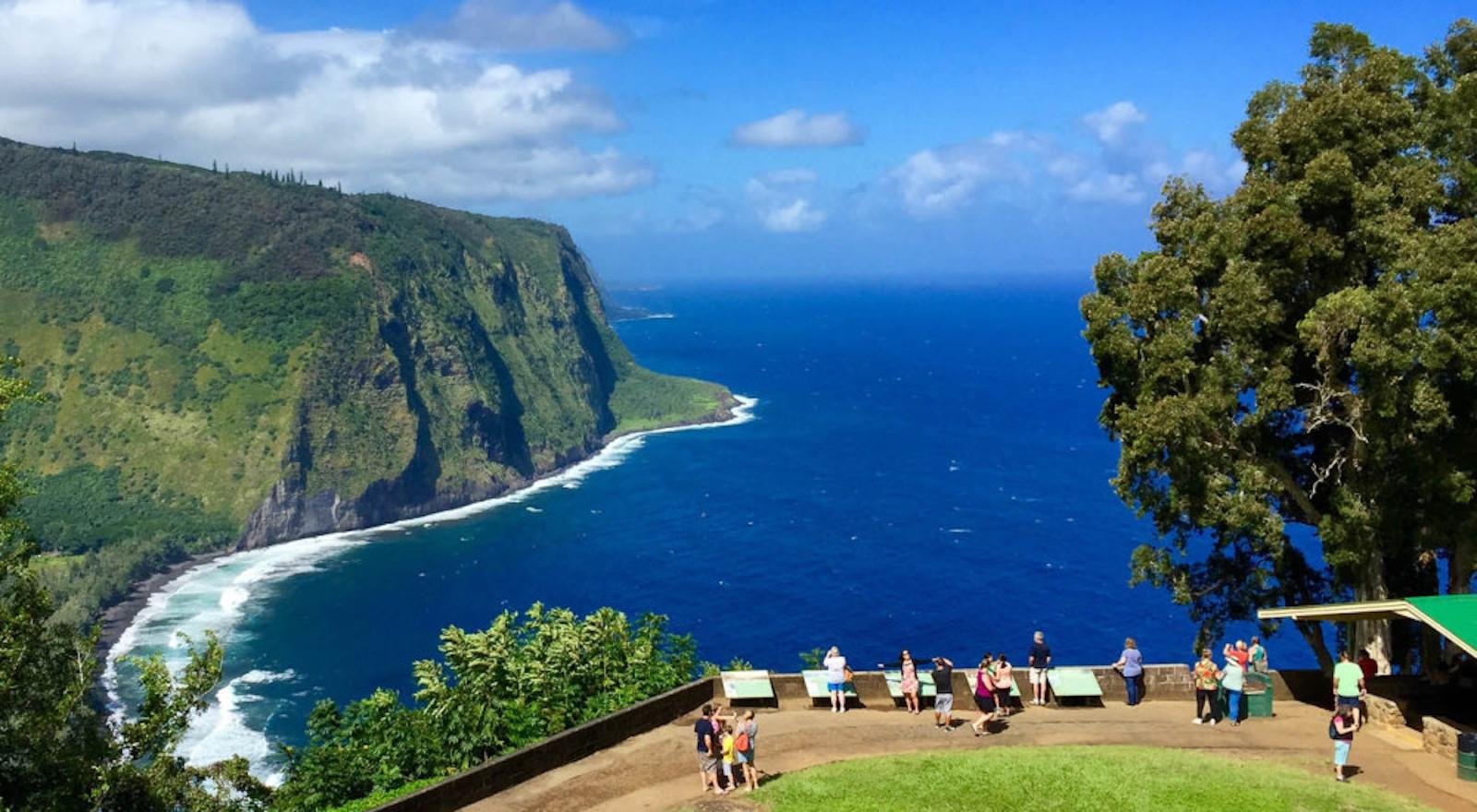
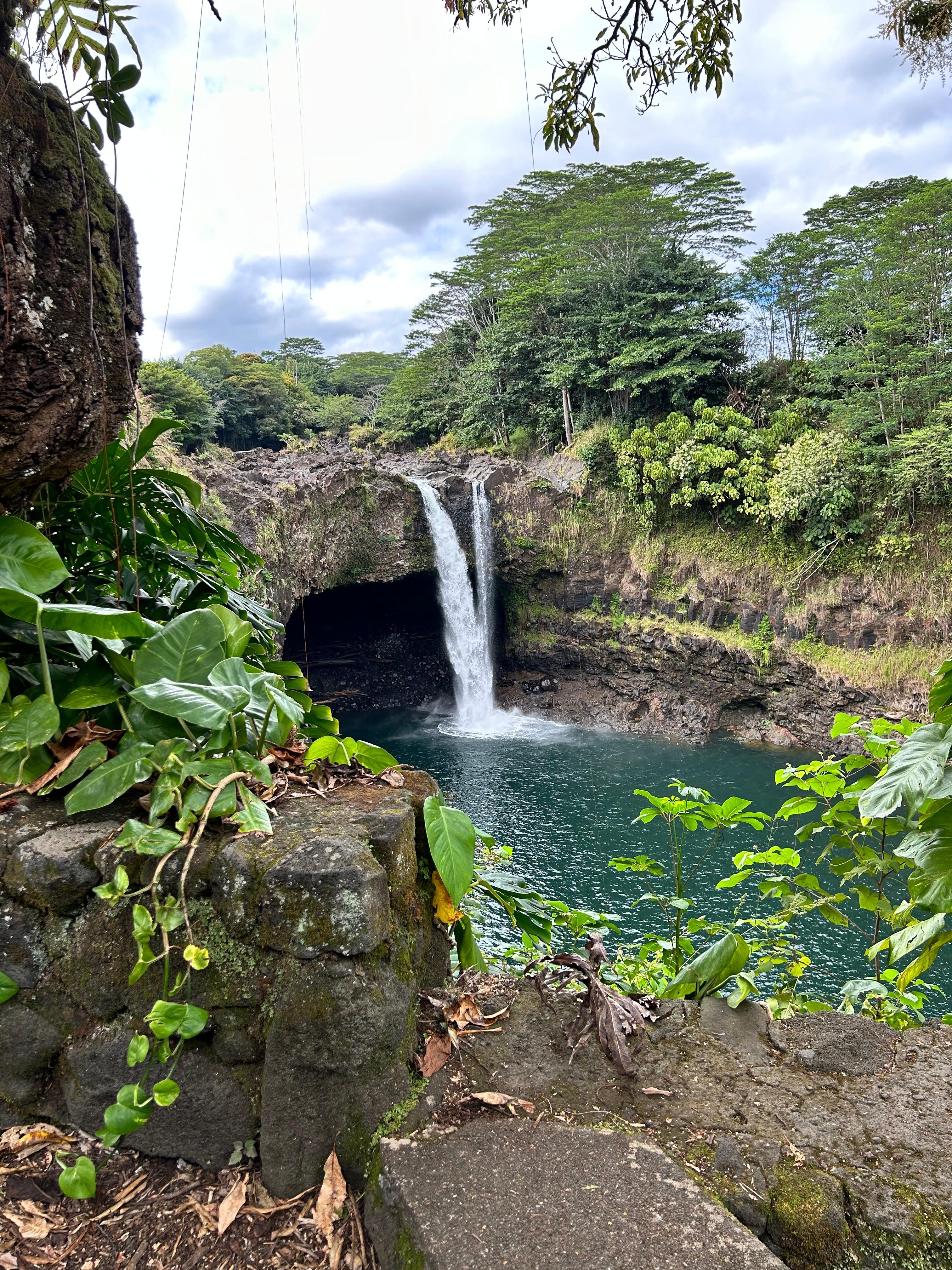
- Visit the most dramatic waterfalls and scenic valleys on the island, Akaka and Rainbow Falls, and Waipio Valley
- Explore active craters, steam vents, crater rim trail, and scenic lookouts of Hawaii Volcanoes National Park
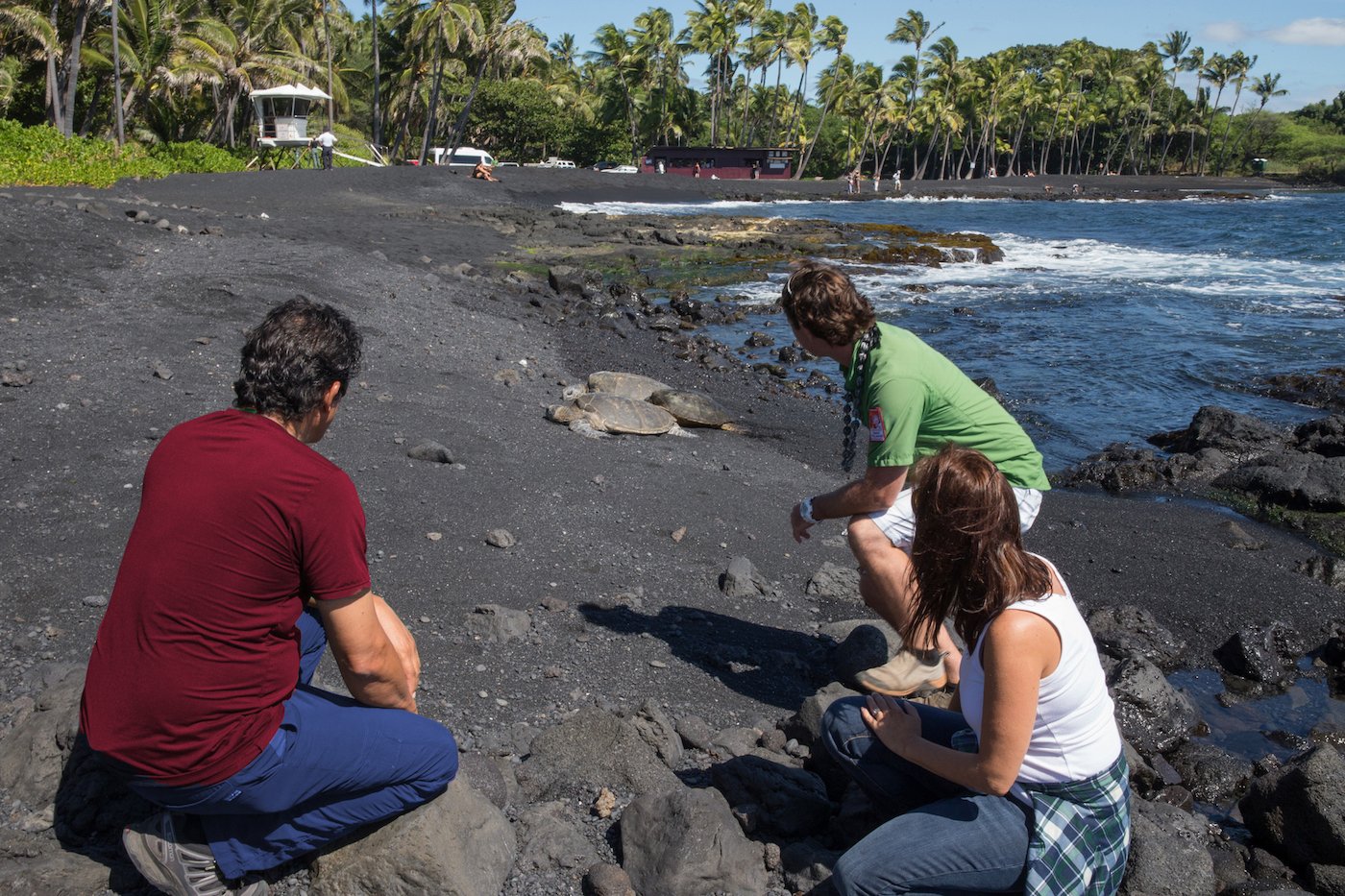
- Stop for photos to take in the lush scenery, and spot green sea turtles at Punalu’u Black Sand Beach
What's Included
- Lunch and drinks
- Snacks
- Park admissions
- Jackets
How a Guided Big Island Volcano Tour Works
Four easy steps from your hotel to the rim of Kīlauea and back — no driving, no park logistics, no guesswork.
Book Online & Get Picked Up
Reserve a guided volcano tour and meet your guide or get picked up in Hilo, Kona, Waikoloa or Kohala — depending on the tour. No driving, no park-pass queue, and free cancellation up to 24 hours before.
Drive to Hawaiʻi Volcanoes National Park
Ride to the park in an air-conditioned vehicle — about 45 minutes from Hilo, or 2 to 2.5 hours from the Kona side — while your guide fills you in on Kīlauea's geology and the Hawaiian stories of Pele.
Explore Kīlauea & the Caldera
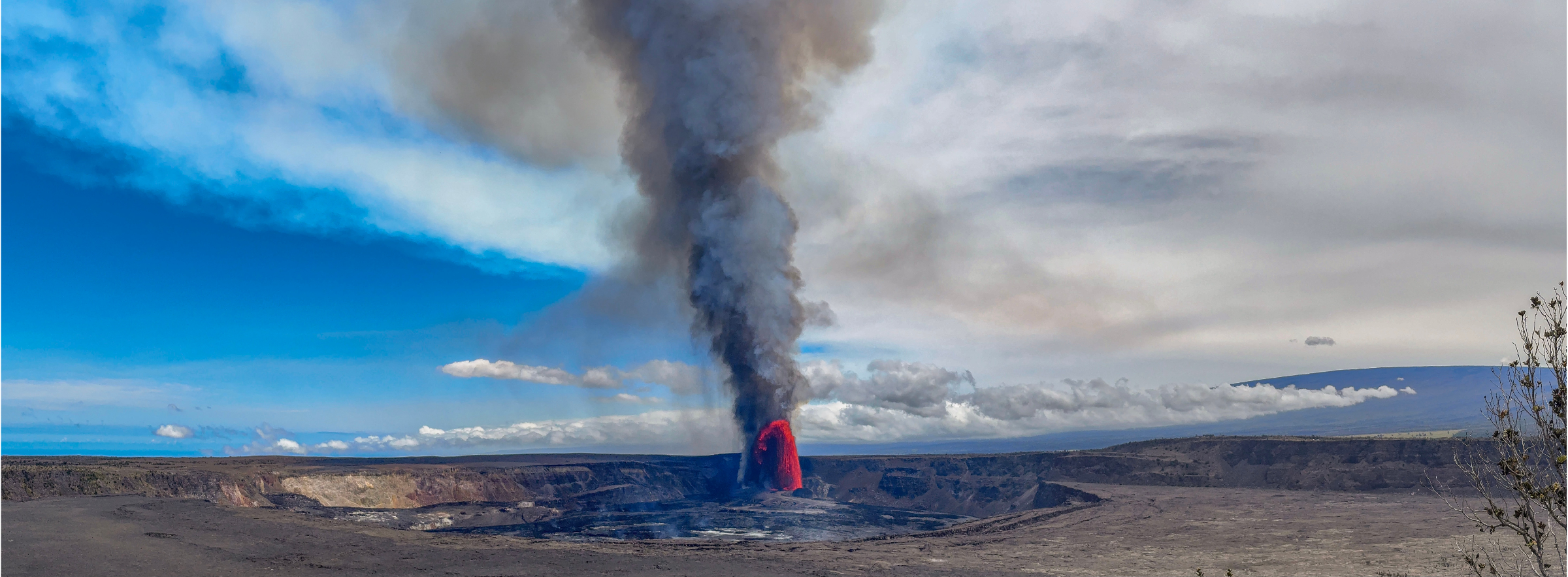
Walk the rim of Kaluapele (Kīlauea's summit caldera) overlooking Halemaʻumaʻu, step through the Nāhuku (Thurston) lava tube, feel the steam vents, and — if an eruption episode is active — look for the glow.
See More Big Island Highlights
Most tours add waterfalls, a black-sand beach, a Kona coffee farm, or evening stargazing before the ride home — a full day of the Big Island's volcanic landscape in one trip.
Photo Gallery
The Big Island's Volcano Country — Through the Lens
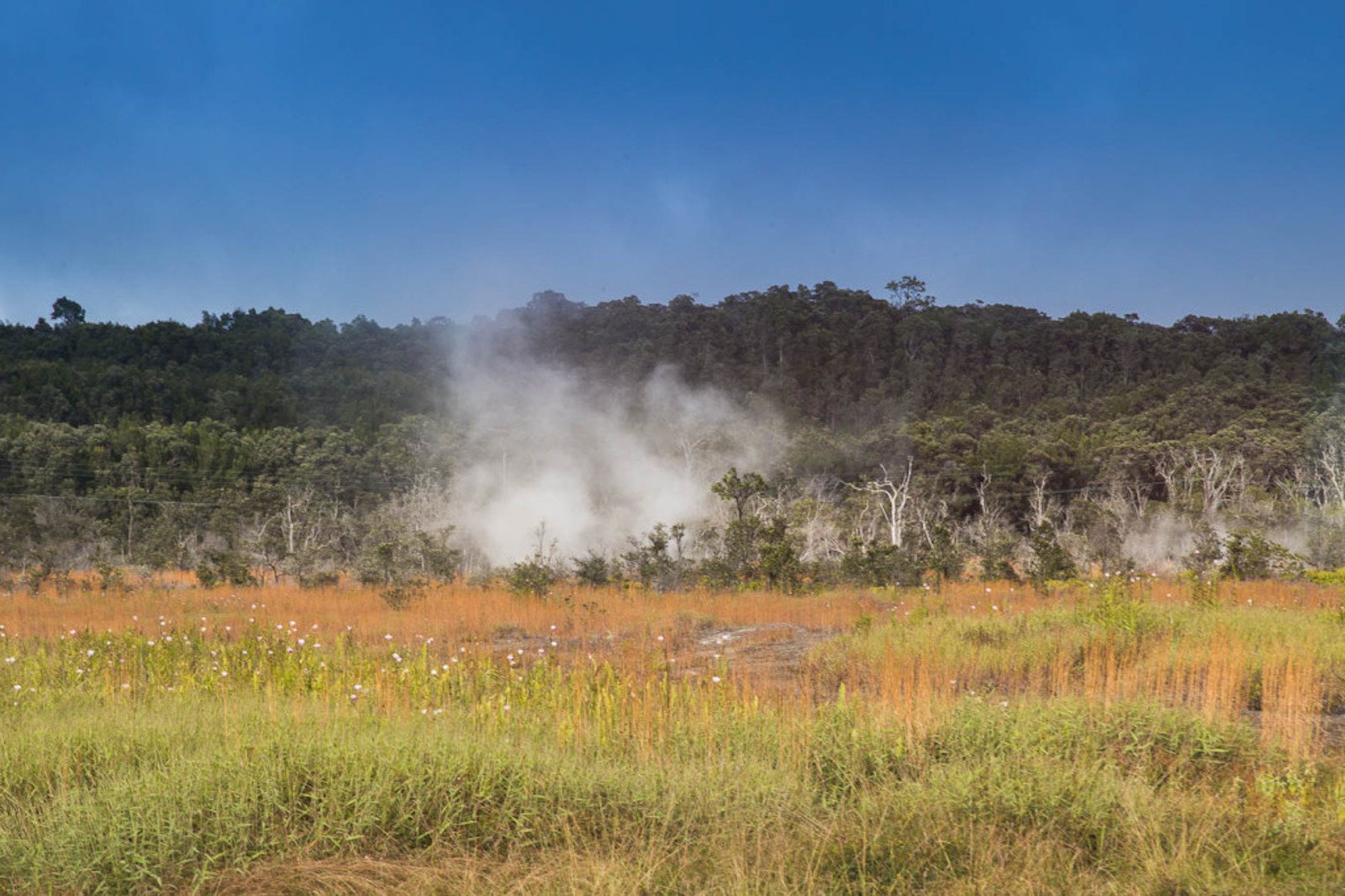
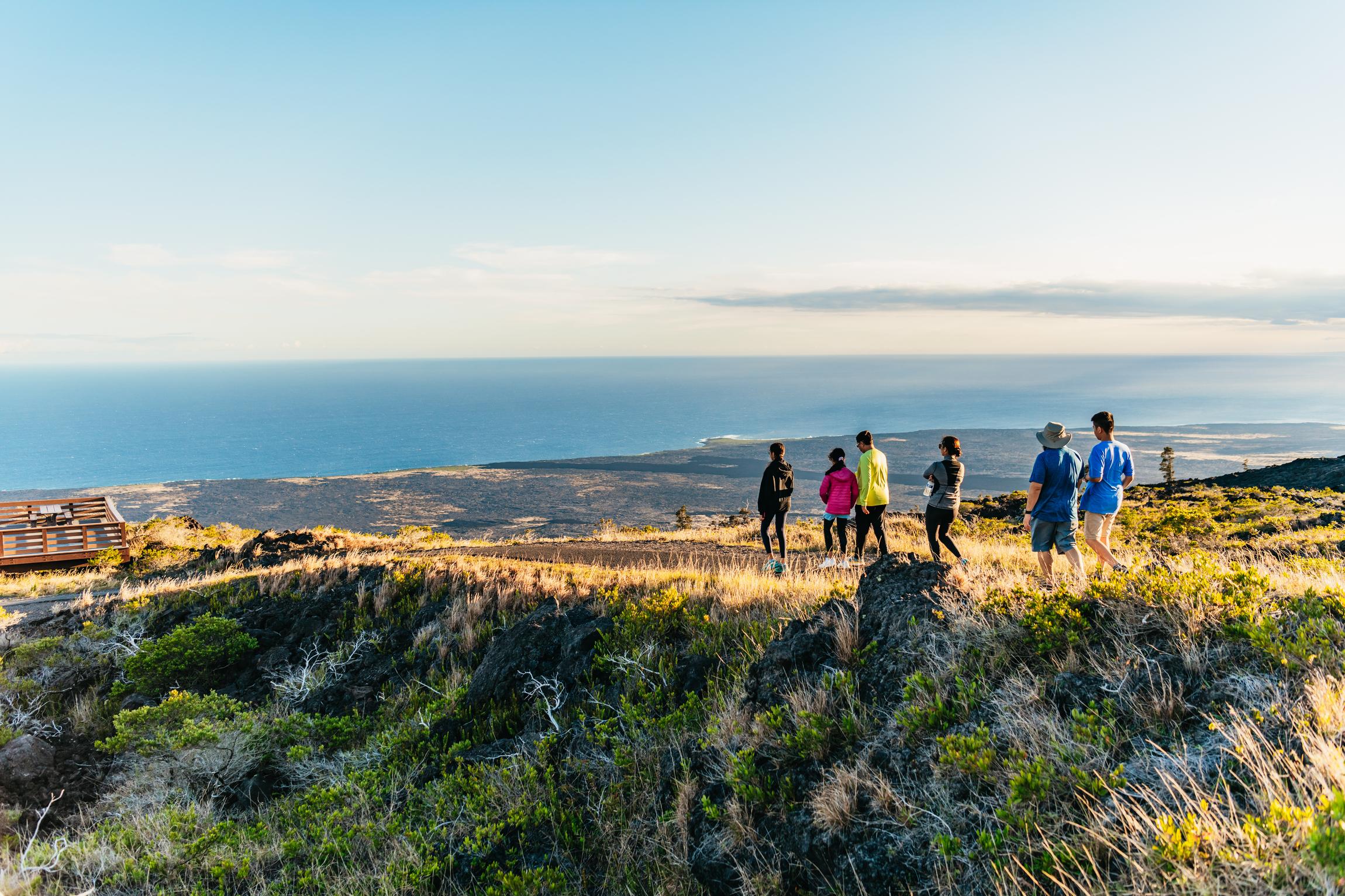
Kīlauea's caldera, the Chain of Craters Road, lava tubes, steam vents and the black-sand coast of Hawaiʻi Volcanoes National Park.

Book Your Experience
Check Availability & Prices
Select your preferred date and time. Instant confirmation — free cancellation up to 24 hours before departure.
Three Ways to See Hawaiʻi Volcanoes National Park
Want the day handled, your own schedule, or a lava flight from the air? Here is how the realistic ways to reach Kīlauea honestly compare.
| Feature | EASIEST Guided Volcano Day Tour | Self-Drive + Park Pass | Helicopter Flight |
|---|---|---|---|
| How You Get There | Round-trip transport from Hilo, Kona, Waikoloa or Kohala — no driving, no navigating the park | Drive Highway 11 to the park entrance yourself; ~45 min from Hilo, 2–2.5 hr from Kona | Lift off near Kona or Hilo and fly straight over Kīlauea's caldera and rift zones |
| Park Entry Fee | Usually included in the tour price — check your booking (park fee is $30/vehicle for 7 days) | You pay the $30 per-vehicle fee (valid 7 days) at the gate or online | Most flights fly over the park without landing, so no entrance fee applies |
| What You Experience | Caldera overlooks, the Nāhuku (Thurston) lava tube, steam vents, plus a guide who explains it all | Everything in the park at your own pace — Chain of Craters Road, Kīlauea Iki, the visitor center | A 45–60 min aerial view of the volcanic landscape you can't get from the ground |
| Other Big Island Stops | Usually bundles waterfalls, a black-sand beach, a Kona coffee farm, or evening stargazing | Entirely up to you — add Rainbow Falls, Punaluʻu, or Mauna Kea on your own | Flight only, unless you book a ground tour separately |
| Rough Cost | From about $120–290 per person, transport and multiple stops included | Rental car + fuel + $30 park pass (split across your group) | From about $400–640 per person for the flight alone |
| Best For | Visitors who want Kīlauea plus the island's highlights in one easy, guided day | Independent travelers with a car who want to set their own pace in the park | Travelers who want the big-picture aerial view — and the chance to spot glowing vents from above |
| Check Tour Availability | Read the Park Guide | See Helicopter Tours |
More Options
Compare the Best Big Island Volcano Tours
From half-day Hilo runs to full-island days with waterfalls, coffee farms, black-sand beaches and stargazing — compare the top-rated Hawaiʻi Volcanoes National Park tours, all with free cancellation and instant confirmation.
 TOP RATED
Big Island: Hawaii Volcanoes National Park and Hilo Tour
Join a half-day adventure tour exploring the Big Island from summit to sea.
 VOLCANO + STARGAZING
Big Island, Hawaii: Volcano and Stargazing Tour with Dinner
Discover the Big Island in Hawaii on a guided tour of its highlights including the Hawaii Volcanoes National Park at twilight.
 FROM HILO
From Hilo: Hawaii Volcanoes National Park Tour
Drive through Banyan Dive, Hilo’s own celebrity walk of fame.
 BLACK SAND BEACH
Hilo: Volcanoes National Park & Black Sand Beach
Discover the wonders of Hilo and the powerful forces of Kilauea volcano on this comprehensive tour .
 GUIDED HIKE
Kilauea: Volcanoes National Park Guided Hike
Embark on an unforgettable journey of discovery through Volcanoes National Park, where the awe-inspiring power of nature unfolds before your eyes.
 BEST VALUE
Big Island: Volcano, Black Sand Beach, Waterfall, with Lunch
Join a half-day adventure tour exploring the Big Island of Hawaii from summit to sea.
The Honest Guide
Seeing Kīlauea: What to Know Before You Book
Which side of the island to start from, whether you'll actually see lava, and how a guided tour compares to driving yourself — no hype.
A Big Island volcano tour takes you to one of the most extraordinary places on Earth: Hawaiʻi Volcanoes National Park, home to Kīlauea, one of the world’s most active volcanoes. This is not a dormant landmark you photograph from a viewpoint. Kīlauea is alive — steaming, shifting, and, in the right week, fountaining lava inside its summit crater. This site is honest about what that means for your trip, including the one thing no tour operator can promise you.
Is the volcano actually erupting?
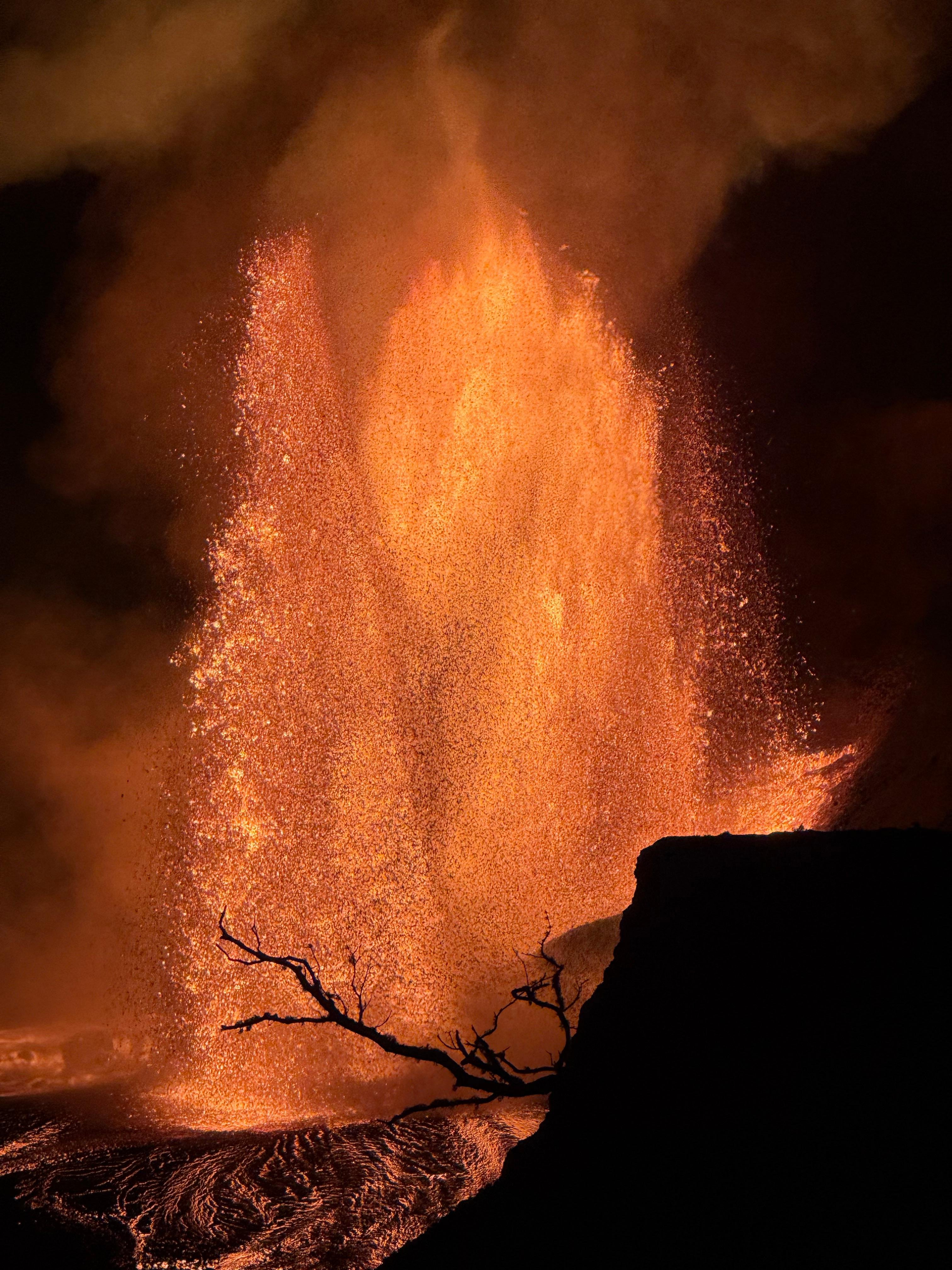
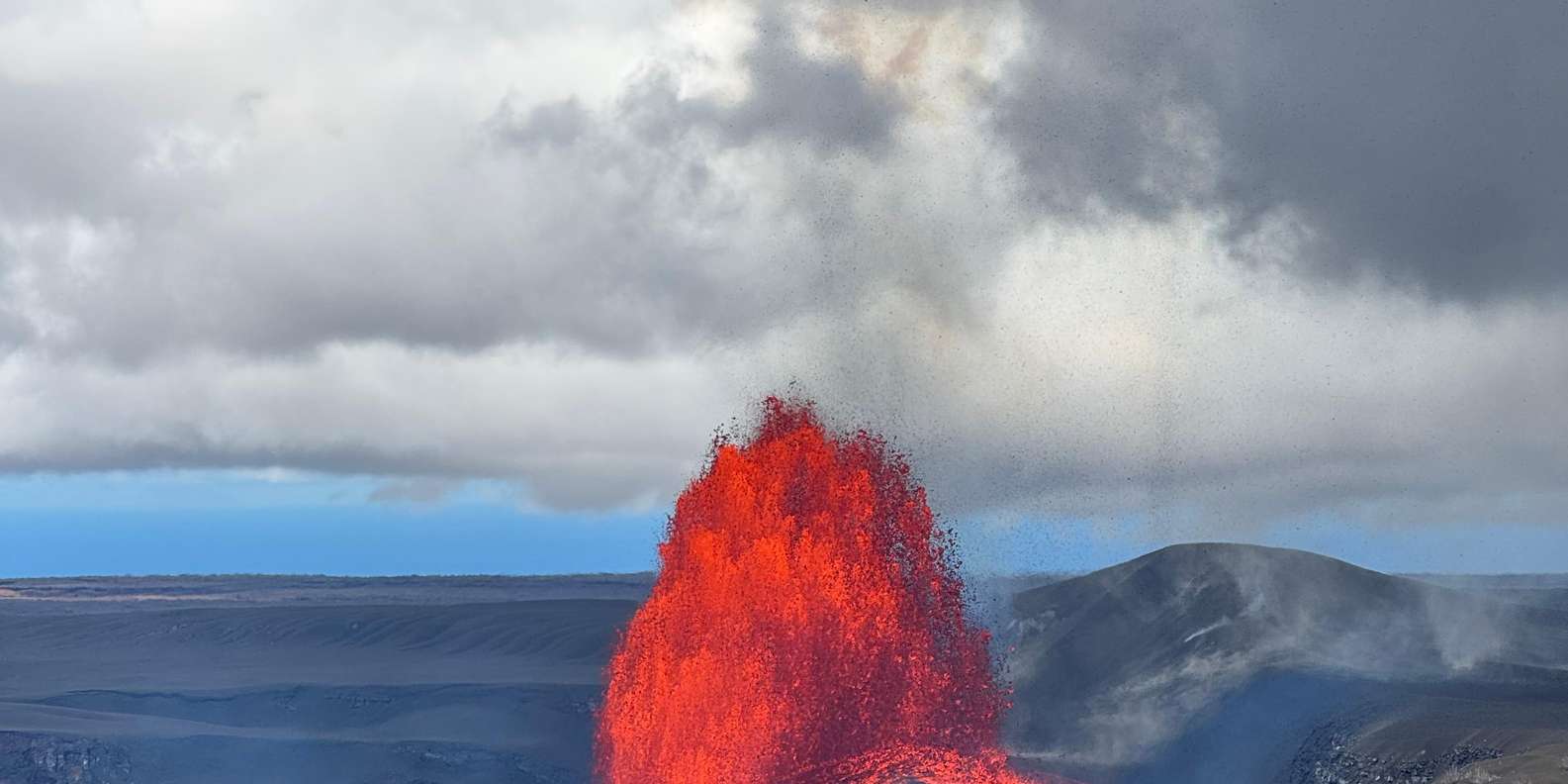
Here’s the truth most booking pages won’t tell you plainly: whether you see lava depends entirely on the week you visit. Kīlauea has been erupting in a remarkable on-and-off pattern since December 2024 — more than fifty separate episodes of lava fountaining at the summit, each lasting hours to a day or two, then pausing for days or weeks before the next one begins. As of late July 2026, the volcano had just finished an eruptive episode and sat at a lower advisory alert level, with more fountaining forecast in the weeks ahead.
Because this changes constantly, check the official status before you go — the USGS Hawaiian Volcano Observatory posts daily updates, and the National Park Service lists what’s open. When an episode is active, glowing lava and fountaining are visible from overlooks on the caldera rim — the eruption area itself is closed, so you watch from a safe distance, and the glow shows best after dark. Between episodes there’s no flowing lava, but the steaming caldera, the lava tubes, the vents and the sheer scale of the landscape are extraordinary in their own right. Anyone who guarantees you lava is overselling.
What you’ll actually see in the park
Most first-timers are surprised by how much is reachable without a serious hike:
- Kaluapele — the summit caldera — and the overlooks toward Halemaʻumaʻu, the crater at the heart of the current eruption and, in Hawaiian tradition, the home of the volcano goddess Pele.
- Nāhuku (the Thurston Lava Tube) — a lush, walk-through tunnel left behind by a river of lava roughly 500 years ago.
- Kīlauea Iki — a crater that was a churning lava lake in 1959; today a trail crosses its now-solid floor.
- Chain of Craters Road — a 19-mile drive from the summit down to the sea, past craters, lava fields and a coastal arch.
- Steam vents and sulphur banks near the visitor center, where groundwater meets the hot rock below.
For a first-timer’s route through all of it, see our guide to what to see in Hawaiʻi Volcanoes National Park.
Kona side or Hilo side? This is the real decision
The single biggest factor in your day is which side of the island you start from, because the Big Island is large and the park sits on its south-east flank.
- From Hilo, the park is only about a 45-minute drive. Hilo-based tours are shorter (half-day options exist), cheaper, and spend more of the day at the volcano itself.
- From Kona and the Waikoloa/Kohala resorts, it’s 2 to 2.5 hours each way. A Big Island volcano tour from Kona is therefore a long, full-day affair — usually a circle-island route that folds in a Kona coffee farm, a black-sand beach and waterfalls to justify the driving.
If you’re weighing where to base yourself or which tour to pick, our Kona vs Hilo for volcano tours guide lays out the trade-offs.
The four ways to do it
- Guided day tour — the easiest option. Someone else drives, the park entry is usually included, and a guide explains the geology and the legends. Most tours bundle in waterfalls, coffee or stargazing. Browse the top-rated tours below.
- From Kona — the west-side version, built around the long drive with plenty of stops.
- By helicopter — a 45–60 minute flight over the caldera and rift zones, with the best odds of seeing glowing vents from above when an episode is active. The priciest option, but unforgettable for photographers.
- From Oahu — a fly-in day trip with a round-trip inter-island flight, the only way to see the active volcano from Waikiki without an overnight.
Practical notes before you go
The park entrance fee is $30 per private vehicle, valid for 7 consecutive days (most guided tours include it — check your booking). The park is open 24 hours, which is why evening visits to catch the glow are popular. The summit sits at about 4,000 feet, so it’s noticeably cooler and often wetter than the coast — bring a layer and closed shoes. And be aware of vog (volcanic smog) and fine volcanic glass fibers called Pele’s hair that the wind can carry; visitors with heart or respiratory conditions should take extra care.
So — should you book a tour or drive yourself? If you have a rental car, a full day and want your own pace, self-driving the park is the cheapest route. If you’d rather skip a long drive, have the logistics handled, and learn the story from a guide, a guided tour is the easier and more relaxing choice. Our honest verdict is in is a Big Island volcano tour worth it? — and when you’re ready, check live availability and prices for the featured tour, with free cancellation up to 24 hours before.
Guest Reviews
What Travelers Say
4.8/5
from 458 verified guests
"Had a fabulous day so much to see its a great tour reasonable size group not too big around 12 people comfortable transport and Mia our guide was amazing very knowledgeable and loves her home she went above and beyond showing us around with a couple of extra stops along the way"
"Our day trip was great. Our tour guide Ian was flexible in changing up the stop times a bit so we could get to the park early to see Kīlauea erupting! He was very knowledgeable about the places we went to and had lots to share about the island’s history, plants, and wildlife. Highly recommend a day trip in an AC van, with leg room, snacks, lunch, and fun facts."

"Everything was perfectly orgsnised: cosy bus, good plan of the island, adjusting to travellers' needs. And on top of that the guide Kawika made the whole experience even more enjoyable. He was knowledgeable, extra polite and spoke the kind of English one gets from professional recordings for learners of the English language. Totally recommended!"
"David was a great guide, very knowledgeable and a great driver. In my opinion more time at the national volcano park would be better than some of the waterfall stops."
"Jason was amazing!! Going above and beyond throughout the day. He is extremely knowledgeable and friendly, constantly interacting and checking in on us. He even stopping the van so we could catch the sunset! Best tour guide ever! 100% recommend!!!!!"
"Lisa was a great tour guide. She is very knowledgeable and made a long day enjoyable. We saw several sites over the day and it was read out nicely. They provided snacks and drinks that was perfect. Thanks for a great day!"
"Fantastic! We enjoyed Brett’s knowledge and fun personality. He knows a lot about the big island and was very thoughtful to us all. Highly recommend him and the all day tour around the big island . We saw so much and had a great lunch stop with music!"
Read all 458 verified reviews
See All ReviewsSee Kīlauea & Hawaiʻi Volcanoes National Park in One Easy Day
Skip the driving and the park logistics. A top-rated guided tour brings you to Kīlauea's caldera, a walk-through lava tube, steam vents and a black-sand beach — with waterfalls and a coffee farm along the way. Rated 4.8/5 by hundreds of guests. Free cancellation. Starting from $276 per person.
Check Availability & BookCan't Make These Dates?
Browse More Available Options
Find a tour that fits your schedule — all with instant confirmation and free cancellation.
Big Island Volcano Tour FAQ
Honest answers on seeing lava, the park entry fee, choosing Kona or Hilo, the best time to go, and how a guided tour fits in.
Kīlauea has been erupting on and off since December 2024, in a long series of short episodes at its summit inside Hawaiʻi Volcanoes National Park. Each episode of lava fountaining lasts hours to a day or two, then pauses for days or weeks before the next one. As of late July 2026 the volcano was between episodes, at a lower advisory alert level, with more fountaining forecast. Eruption status changes constantly, so always check the USGS Hawaiian Volcano Observatory updates and the National Park Service right before you go.
Sometimes — it depends entirely on the week you visit. When an eruption episode is active, lava fountaining and glow are visible from safe overlooks on the caldera rim (the eruption area itself is closed, so you watch from a distance, often best after dark). Between episodes there is no flowing lava, but you can still see the steaming caldera, glowing vents at night during periods of activity, lava tubes and vast fields of hardened lava. No guide or tour can guarantee lava — anyone who promises it is overselling.
The park entrance fee is $30 per private vehicle and is valid for 7 consecutive days. It is $25 for a motorcycle and $15 per person on foot or bicycle. Most guided volcano tours include the park entry in their price, but confirm on the booking page. If you drive yourself, you can pay at the entrance station or buy the pass online in advance.
Hilo is the closest town to the park — roughly a 45-minute drive — so Hilo-based tours spend more time at the volcano and cost less. Kona and the Waikoloa/Kohala resort coast are about 2 to 2.5 hours away, so Kona volcano tours are longer days (often 10–12 hours) that usually circle the island, adding coffee farms, black-sand beaches and waterfalls. If you're staying on the west (Kona) side, a Big Island volcano tour from Kona saves you the self-drive; if you're in Hilo, a shorter Hilo park tour is the efficient pick. Our Kona vs Hilo guide breaks it down.
It depends on where you start. Half-day tours from Hilo run about 4 to 6 hours. Full-day tours from Hilo that add waterfalls and beaches are 7 to 9 hours. Tours from the Kona/Waikoloa side are the longest — usually 10 to 12 hours door to door — because of the drive across the island. Evening tours are timed to catch any eruption glow after dark.
For most visitors, yes — especially if you don't want to drive two-plus hours each way, or you want a guide to explain Kīlauea's geology and the Hawaiian stories of Pele. A tour handles the park pass, the long drive, and the timing, and usually bundles in waterfalls, a coffee farm or stargazing. If you have a rental car, plenty of time and prefer your own pace, self-driving the park is cheaper. See our honest take in is a Big Island volcano tour worth it?
The highlights are Kaluapele — Kīlauea's summit caldera — and the overlooks toward Halemaʻumaʻu crater, the Nāhuku (Thurston) lava tube you can walk through, the Kīlauea Iki crater trail, the Chain of Craters Road down to the coast, and steam vents and sulphur banks near the visitor center. Many spots that once required long hikes are now roadside stops. Our park highlights guide maps out a first-timer's route.
Eruption episodes can happen at any time of year, so timing is more about crowds and light than season. Evenings are best if there's active fountaining, because any glow shows most vividly after dark. Early morning is quieter and clearer for the caldera overlooks. The park is open 24 hours, so many tours build in either a sunrise or an after-dark visit. Check the eruption forecast the day before and be ready to be flexible.
Yes. Several operators run fly-in day trips that include a round-trip inter-island flight from Honolulu to Hilo (or Kona), a guided visit to Hawaiʻi Volcanoes National Park, and the return flight — all in one long day. It's the only way to see Kīlauea from Oahu without staying overnight on the Big Island. Expect a very early start and a full 12-hour-plus day. See our volcano tour from Oahu page.
Yes — helicopter tours fly over Kīlauea's caldera and rift zones for an aerial view you can't get from the ground, and when an episode is active they offer a chance to see glowing vents from above. Doors-off flights are popular with photographers. Flights depart from the Kona side and from Hilo; supply is limited, so book ahead. See the options on our Big Island volcano helicopter tour page.
Yes. The National Park Service closes the immediate eruption area and keeps visitors at safe overlooks on the caldera rim, well back from any vents. The main hazard for most visitors is volcanic smog (vog) and fine glass fibers (Pele's hair) carried on the wind, which can irritate eyes and lungs — people with heart or respiratory conditions should take extra care. Guided tours follow park closures and safety guidance, which is one reason many first-timers prefer them.
Many do, especially from the Hilo, Kona, Waikoloa and Kohala resort areas — but pickup zones vary by operator, and some ask you to meet at a central point. Always check the meeting-point and pickup details on the specific tour's booking page before you book, and enter your hotel when prompted so the operator can confirm.
Still have questions? Email us at info@big-island-volcano-tour.com